

Family dynamics are a critical component of addiction recovery, often influencing both the onset and long-term success of treatment. Recognizing this interconnectedness, family therapy and education become essential parts of a comprehensive care model. This article explores how addressing issues like codependency, communication breakdowns, and enabling behaviors within the family can rebuild trust and strengthen support systems, ultimately leading to more sustained recovery outcomes for individuals seeking mental health healing.
- Understanding the Interplay Between Family Dynamics and Addiction
- The Role of Family Therapy in Recovery: Strategies for Success
- Overcoming Common Challenges: Codependency, Communication, and Enabling Behaviors
- Building a Strong Support System: Achieving Long-Term Recovery Together
Understanding the Interplay Between Family Dynamics and Addiction

Addiction doesn’t exist in a vacuum; it’s deeply intertwined with family dynamics, shaping both its onset and recovery trajectory. Families are either supportive networks that foster healing or environments that inadvertently perpetuate substance use through codependent relationships and enabling behaviors. For instance, children growing up with an ADHD diagnosis may struggle with self-regulation, leading to potential experimentation with substances if left untended.
Understanding these intricate links is crucial for tackling addiction effectively. Family therapy sessions provide a safe space to unraveled communication breakdowns, address underlying emotional issues, and cultivate healthier interaction patterns. By recognizing that family healing is integral to mental health recovery, especially in cases involving children or adolescents with special needs like ADHD and substance use disorders, comprehensive care models can be tailored to meet the unique needs of each family system.
The Role of Family Therapy in Recovery: Strategies for Success

Family therapy is a powerful tool in addiction recovery, addressing the complex dynamics that often underlie substance use disorders. Through structured sessions, therapists help families identify unhealthy patterns, such as codependency, where one person becomes overly reliant on another for emotional support or validation. By recognizing these issues, family members learn to set boundaries and encourage each other’s independence, fostering an environment conducive to individual healing.
Successful strategies in family therapy include improving communication, where open and honest dialogue replaces tension and misunderstanding. Therapists guide families in active listening, encouraging empathy and understanding. This process helps resolve conflicts and strengthens the bond between family members, especially when dealing with mental health conditions like ADHD or anxiety, which can impact children and teens and contribute to substance use. Teen addiction, for instance, benefits from a supportive family system that provides a safe space for open conversations about triggers, coping mechanisms, and recovery goals.
Overcoming Common Challenges: Codependency, Communication, and Enabling Behaviors
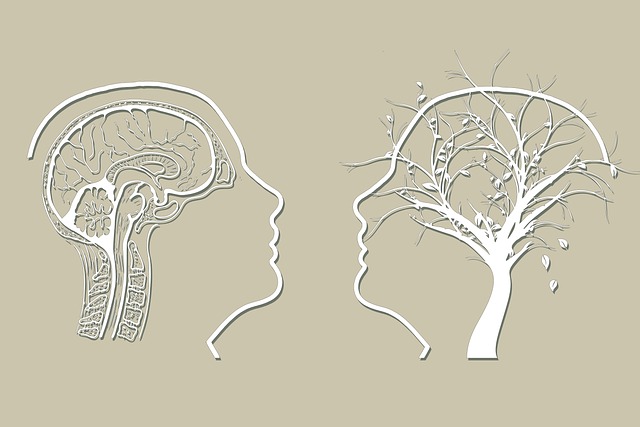
Overcoming common challenges within family dynamics is a critical step towards achieving successful addiction recovery. Codependency, for instance, often develops when family members become overly reliant on each other, struggling to maintain healthy boundaries and individual identities. This dynamic can perpetuate unhealthy patterns of behavior, making it difficult for the person with a substance use disorder to seek or sustain recovery without addressing these underlying issues.
Effective communication breakdown is another significant hurdle. Families affected by addiction may struggle to express their feelings and needs openly, leading to misunderstandings and further estrangement. Enabling behaviors, where family members inadvertently support harmful habits, must also be addressed. By learning to set boundaries, express emotions healthily, and understand the impact of enabling behaviors, families can foster a more supportive environment conducive to mental health recovery. These changes create a solid foundation for healing, especially when considering the complex cases of ADHD children and substance use or teen addiction and family support.
Building a Strong Support System: Achieving Long-Term Recovery Together

Building a strong support system within the family is a cornerstone for achieving long-term recovery. When family members actively participate in therapy sessions and education programs, they gain insights into addiction dynamics and learn healthy coping mechanisms. This collective understanding fosters an environment conducive to healing, where everyone involved takes responsibility for their roles and contributes to each other’s well-being.
By addressing underlying issues such as codependency and communication breakdowns, families can break free from destructive patterns and create a more supportive ecosystem. This process is crucial not only for the recovering individual but also for the entire family unit. Moreover, involving ADHD children in these efforts requires tailored strategies to ensure their mental health needs are met while navigating the complexities of substance use within the family.