
Family dynamics significantly shape the trajectory of addiction recovery, with early influences potentially leading to substance use disorders and impacting long-term treatment success. Integrating family therapy and education into care plans is vital for comprehensive healing. This article explores the intricate relationship between family interactions and substance use disorders, focusing on strategies like family recovery approaches, identifying codependency, improving communication, and fostering sustained recovery through collective healing. Understanding these dynamics is key to effective interventions and supporting individuals in overcoming addiction.
- Understanding the Interplay Between Family Dynamics and Substance Use Disorders
- The Role of Family Therapy in Addiction Recovery: Strategies for Healing Together
- Unmasking Codependency: Recognizing and Overcoming Enabling Behaviors
- Rebuilding Communication Bridges: Enhancing Family Connections for Lasting Change
- The Collective Impact of Family Engagement in Long-Term Recovery Success
Understanding the Interplay Between Family Dynamics and Substance Use Disorders

Substance use disorders don't occur in a vacuum; they're deeply intertwined with family dynamics. Over time, dysfunctional family patterns can contribute to and perpetuate substance abuse. For instance, codependency, where one member's behavior is controlled by another's addiction, creates an enabling environment. Communication breakdowns often leave unspoken emotions and needs, leading individuals down a path of self-medication through substances.
Understanding these intricate relationships is crucial for addressing Teen Addiction and family support. Family therapy aims to uncover these dynamics, fostering open communication and healthy boundaries. By tackling issues like codependency and enabling behaviors, families can shift from being part of the problem to becoming integral parts of the mental health recovery journey. This collective healing process strengthens support systems, promoting sustained Family Recovery and Substance Use Disorder treatment outcomes.
The Role of Family Therapy in Addiction Recovery: Strategies for Healing Together

Family therapy serves as a powerful tool in addiction recovery, recognizing that healing is deeply intertwined with familial relationships. This therapeutic approach brings together all involved family members to address the complex dynamics that contribute to and perpetuate substance use disorders (SUDs). By facilitating open communication and providing a safe space for expression, therapists help families understand the underlying triggers and patterns associated with addiction.
One of the key strategies employed in family therapy is identifying and challenging codependent behaviors, where family members may unconsciously enable each other's addiction. Through education and improved understanding, families can learn healthier ways to support one another, breaking free from destructive cycles. This process also involves addressing communication breakdowns, often a result of underlying issues like unresolved conflicts or emotional disconnection. By mastering effective communication skills, families can rebuild trust, fostering an environment conducive to individual recovery while strengthening their collective support system.
Unmasking Codependency: Recognizing and Overcoming Enabling Behaviors

Codependency often lurks beneath the surface of Family Recovery, especially when dealing with Substance Use Disorder. Enabling behaviors, well-intentioned but detrimental, can perpetuate a cycle of addiction. For instance, a family member might constantly bail out a loved one struggling with addiction, avoiding tough conversations or setting boundaries. This not only hinders individual healing but also reinforces the disorder's hold on the family dynamic. Recognizing these enabling patterns is crucial; it involves identifying behaviors that inadvertently support harmful choices and understanding their root causes.
Healing begins when families unmask codependency and take steps to overcome these behaviors. This might involve setting healthy boundaries, encouraging open communication, and seeking professional guidance through family therapy. By addressing these issues, families can rebuild trust, foster independence, and create a supportive environment conducive to long-term recovery for all members, including ADHD children or teens with addiction. Family healing is a collective process that requires recognizing the interconnection between individual recovery and the overall well-being of the family unit.
Rebuilding Communication Bridges: Enhancing Family Connections for Lasting Change

Rebuilding Communication Bridges: Enhancing Family Connections for Lasting Change
Broken communication is a common thread in many families affected by substance use disorders, often exacerbating existing tensions and hindering recovery. The first step towards healing involves mending these fractured connections. Encouraging open dialogue allows family members to express their feelings, fears, and expectations without judgment. This process helps everyone gain insights into the disorder's impact on both the individual struggling with addiction and the family as a whole. By fostering an environment of empathy and understanding, families can begin to address underlying issues such as codependency and enabling behaviors that may have contributed to or perpetuated the substance use disorder.
Through family therapy sessions, members learn effective communication strategies tailored to their unique dynamics. They explore healthy ways to set boundaries while offering support, ensuring everyone's voices are heard. As trust is rebuilt and communication improves, the family unit becomes a powerful force in the individual's recovery journey. This renewed connection provides a robust support system, crucial for managing triggers, preventing relapses, and fostering long-term sobriety, particularly as teens struggle with addiction and anxiety within their families.
The Collective Impact of Family Engagement in Long-Term Recovery Success
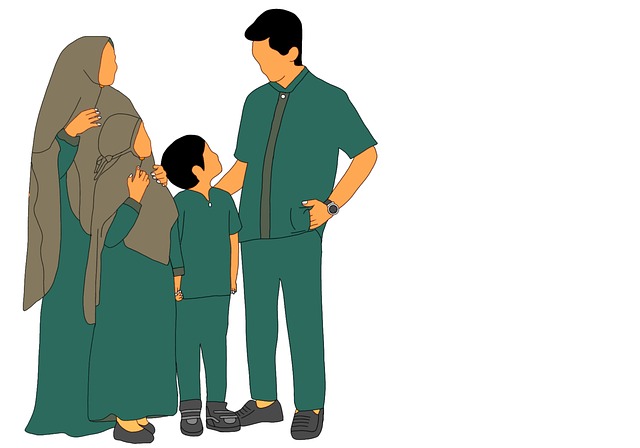
The collective impact of family engagement in long-term recovery success cannot be overstated. When a family becomes actively involved in the healing process, it creates a supportive network that empowers individuals struggling with substance use disorders (SUD) to maintain their sobriety. This collective effort addresses not only the immediate challenges of addiction but also underlying issues within the family dynamic, such as codependency and communication breakdowns. By fostering open dialogue, education, and understanding, families can better navigate the complexities of SUD and provide a stable foundation for long-term recovery.
Moreover, strong family engagement goes beyond individual healing to positively influence overall family mental health. This includes addressing co-occurring disorders like anxiety and ADHD in children, which are not uncommon among families affected by substance abuse. By integrating family therapy into comprehensive care models, professionals can help break the cycle of enabling behaviors and rebuild trust, ultimately strengthening support systems and enhancing recovery outcomes for everyone involved.